Tips to Estimate the Correct Dumpster Size for Your Project
Best Ways to Estimate the Right Dumpster Size
Renting a dumpster that's too small means paying for a second haul. Renting one that's too big means wasting money on space you never use. If you're working with a tight budget, getting the size right the first time can save you hundreds of dollars. This guide will help you figure out exactly what you need without overspending or running into costly surprises.
1. Measure Your Debris in Pickup Truck Loads
You don't need fancy formulas or a calculator to get a decent estimate. One of the easiest ways to picture dumpster capacity is to think in terms of pickup truck loads. A standard 10-yard dumpster holds about three pickup truck loads of material. A 20-yard dumpster fits around six truckloads, and a 30-yard can hold about nine.
If you can mentally stack up how many truckloads your project will generate, you can get pretty close to the right size. This method is free, practical, and helps you avoid renting more capacity than you actually need.
2. List Out What You're Tossing to Avoid Overpaying
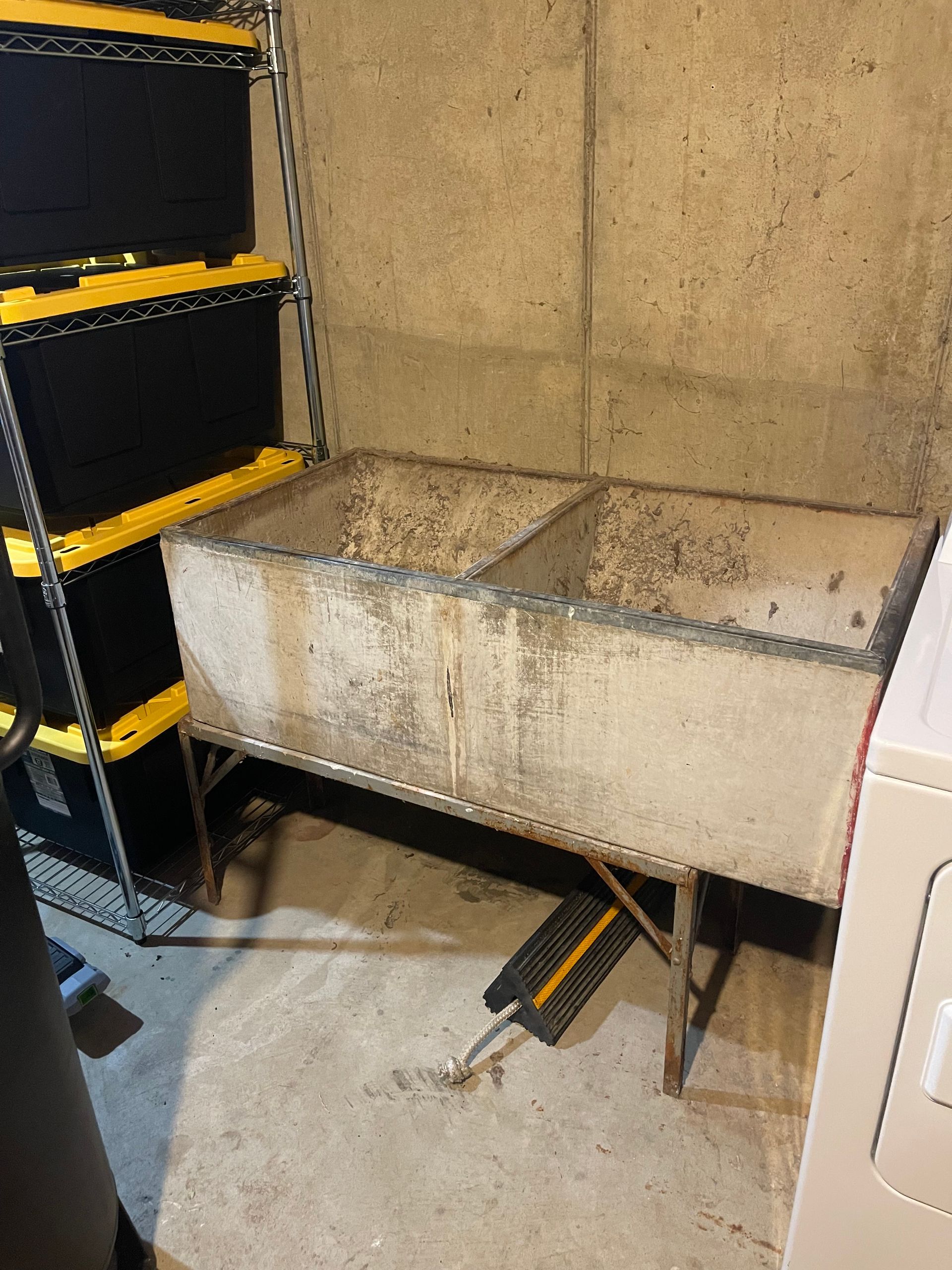
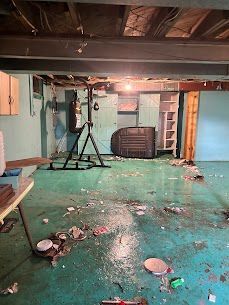
Before you call a rental company, grab a piece of paper and write down everything you plan to throw away. Are you hauling old carpet, a couch, drywall, or yard waste? Different materials take up different amounts of space, and some compress more than others.
Once you have your list, you can search online for typical volume estimates or call a rental company and describe what you've got. Many companies will walk you through sizing for free over the phone. This simple step keeps you from guessing blindly and renting a container that's way too large for the job.
3. Go One Size Smaller If You're on the Fence
If you're stuck between two sizes and trying to save money, it's often smarter to rent the smaller option first. Most dumpster companies will let you upgrade or schedule a second pickup if you run out of room. The cost of adding a pickup is usually less than the difference between renting a larger bin from the start.
This approach works best for projects where you're not totally sure how much debris you'll generate. It gives you flexibility without locking you into a higher upfront cost. Just make sure your rental company offers easy add-ons before you commit.
4. Check for Weight Limits to Avoid Hidden Fees
Dumpster pricing isn't just about size. It's also about weight. Every rental comes with a weight limit, and if you go over, you'll pay extra fees that can add up fast. Heavy materials like concrete, dirt, or roofing shingles can max out a dumpster's weight allowance even if the bin is only half full.
Before you book, ask the rental company what the weight limit is and whether your materials are likely to hit it. If you're tossing something dense, you might need a smaller dumpster with a higher weight cap instead of a bigger one. Understanding this upfront helps you dodge surprise charges and stay within your budget.
5. Ask NKY Junk Removal for a Free Sizing Check
If you're still unsure about what size makes sense for your budget and your project, NKY Junk Removal offers free consultations to help you figure it out. They can walk you through your debris list, give you honest recommendations, and help you avoid paying for more dumpster than you need.
Their team understands that cost matters, especially for homeowners and small contractors working with limited funds. Getting expert advice before you rent can prevent expensive mistakes and keep your project on track financially. It's a simple phone call that can save you real money.
Estimating the right dumpster size doesn't have to be guesswork. By measuring your debris, listing what you're tossing, and asking the right questions about weight limits, you can nail the size you need without wasting a dime. Whether you go it alone or get help from a pro, a little planning up front pays off big when the bill arrives.